

The mechanics of a sound assessment
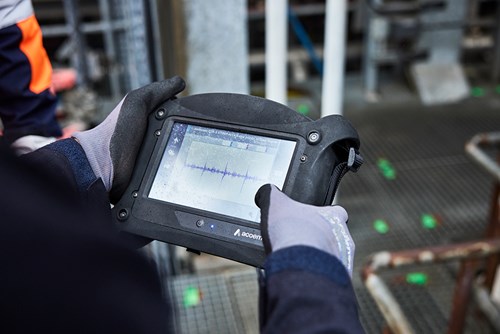
FIG. 1. Vibration measurements are essential for detecting integrity issues.
Compressors lie at the heart of countless enterprises across numerous industries, and those businesses’ success depends on their equipment performing reliably, efficiently and sustainably. When this is not the case, these businesses need easy and fast access to engineering excellence to assess and help them improve their compressors.
However, correctly assessing any issues with a compressor—or areas for improvement—is not always a simple job. It is a task that must be approached with care and correct planning.
There are three key stages of any high-quality assessment process: taking precise measurements, carrying out technical meetings and the careful renewal of documentation. Though they may seem ancillary to the process, these steps are vital to achieving engineering excellence, ensuring operators get the most out of their assessments and helping the assessors do their jobs effectively.
The three key elements of a high-quality assessment process are discussed in the sections below.
One: Precise measurements. The foundation of any high-quality compressor assessment relies upon the quality of data collection, and this includes taking relevant and accurate measurements.
This initial phase is critical, forming the bedrock upon which all subsequent analyses and recommendations are built. Measurements, and the collection of instrumentation readings, ensure that the assessment is grounded in objective data rather than subjective judgment, leading to more reliable and actionable insights.
The measurement process involves several key components. Its scope varies depending on the issues operators might be having with specific compressors and includes a wide range of data. This includes everything from standard compressor instrumentation readings (e.g., pressures, temperatures, gas flow) to measurement of ‘general health indicators’ such as vibration level and temperatures. It also covers more advanced techniques like pV-analysis, time-domain vibration diagnostics and leakage measurements.
Vibration measurements (FIG. 1) are essential for detecting integrity issues, while comparative thermography (FIG. 2) is used to identify hotspots and other thermal anomalies within the compressor (FIG. 3).

FIG. 2. Comparative thermography is used to identify hotspots and other thermal anomalies.
Such anomalies often indicate potential problems like leakages, insufficient cooling, excessive friction or inadequate lubrication. These not only cause excess wear but can also result in a drop in efficiency and, therefore, higher emissions levels.
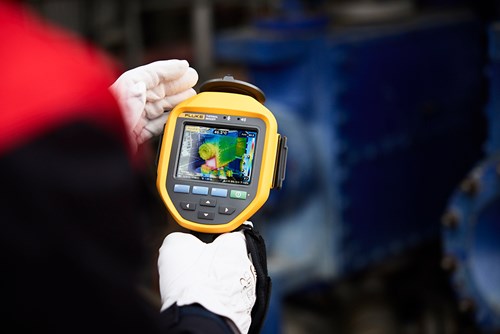
FIG. 3. Thermal anomalies can indicate potential problems like leakages, insufficient cooling, excessive friction or inadequate lubrication.
Taking this range of measurements for reciprocating compressors allows engineers to gather detailed data on the performance and condition of their components. This includes assessing the integrity of cylinder liners, piston rods and seals, as well as how pressures and temperature change at different stages of the compression process.
These precise measurements offer a data-driven basis for recommendations (FIG. 4). This means carefully tailored solutions can address the specific needs and conditions of a system, ensuring that the recommendations are both practical and effective, leading to improved compressor performance, efficiency and sustainability.

FIG. 4. Data collection is the foundation of any high-quality compressor assessment.
Two: Comprehensive technical meetings. Engaging with the customer's technical team is crucial for understanding the specific needs and performance targets of a compressor. These meetings are not just a way to arrange visits and hammer out details; they form a vital part of the assessment process, as they establish a collaborative environment where detailed discussions can take place and ensure all stakeholders are aligned.
Though the exact makeup of a technical meeting will vary depending on the specifics of the unit where compressors are installed, participants typically include maintenance and reliability teams, process engineers and experts responsible for the efficient and stable operation of equipment. Each group provides a unique perspective and set of insights, contributing to a comprehensive understanding of the compressor's performance and the operational challenges.
The primary objective of these technical meetings is to discuss the current performance of the compressor and identify requests for improvement. These discussions help set clear, achievable performance targets that align with the customer's operational goals. By understanding the needs of the customer and the specific conditions under which the compressor operates, the assessment team can then tailor their recommendations to deliver the most value.
Ideally, these meetings will provide a detailed understanding of the customer's expectations and a collaborative approach to problem-solving. This collaborative environment ensures that the recommendations provided are not only technically sound but also practical and implementable within the customer's operational framework. By engaging all relevant stakeholders, the assessment team can develop solutions that address the root causes of any issues, leading to sustained improvements in performance and reliability.
Three: Careful documentation renewal. Diligent review of technical and operational documentation is a crucial step in ensuring that the compressor is operating within design specifications and that the design is adequate to the real-world conditions it is working in. The types of documentation reviewed include the compressor manual, component information, piping and instrumentation diagrams (P&IDs) and process flow diagrams (PFDs). Additionally, the team must also review the compressor’s maintenance history, as well as all the operational records, trends and data available from its monitoring systems.
The compressor manual provides input on original specifications and intended operation, while schematics and process diagrams provide an understanding about compressor interfaces. This is essential for understanding the overall system configuration, its operating mode and any potential impacts from the process (e.g., contaminants in the gas, fluctuating operating parameters, changing demand for compressed gas). Meanwhile, the maintenance history and operational records provide a view of the compressor's past performance, detailing any repairs, upgrades or recurring issues.
By having an accurate and up-to-date picture of the compressor’s history and current state, the assessment team can identify patterns and recurring issues. These "bad actors" can include components, operating modes, process conditions, and operating or maintenance practices that are limiting the compressor’s reliability or efficiency. This information forms the basis for diagnosing the root causes of any performance problems and developing effective solutions that allow it to operate more efficiently and sustainably.
Importantly, collecting up-to-date documentation also ensures that all stakeholders have access to the same information, facilitating better communication and coordination during the assessment process. It also makes it easier to plan any future maintenance and operational strategies, as it provides a clear record of past issues and interventions and gives a solid foundation for making informed decisions.
How operators can make the most of an assessment. If operators are going to generate the maximum possible value from their assessment, they should recognize that the process is a two-way street and allocate sufficient time and effort to the process. Effective preparation, active participation and diligent follow-up can help operators to maximize the benefits of a compressor assessment.
Preparing for the assessment. Before the assessment begins, it is essential to ensure that all relevant documentation is accessible and as up-to-date as possible. This includes design manuals, schematics, process diagrams and maintenance records. These documents provide the assessment specialists with the background needed to understand the compressor's design and operational history.
Additionally, operators should ensure that when the assessment specialists arrive, they can provide a clear understanding of their operational goals and challenges. This involves outlining specific performance targets, known issues and any unique operational constraints.
During the assessment. Active involvement during the assessment is vital to its success. Operators should participate in technical meetings, sharing insights and observations from day-to-day operations (FIG. 5). This firsthand information can provide valuable context and highlight potential issues that may not be evident from data alone. Operators should also be prepared to answer questions and provide additional information as needed.

FIG. 5. Active involvement is vital to the success of any assessment.
Supporting the assessment specialists that are conducting measurements is crucial. This involves ensuring that measurements are made when the compressor is operating under typical—and in some cases problematic or challenging—conditions. Additionally, technical staff should be available to assist with the measurement process and address any immediate queries the assessment specialists may have.
Post assessment. After the assessment, reviewing and discussing the report with the experts is crucial. This discussion helps clarify findings, ensures that all recommendations are understood and provides an opportunity to ask questions about the proposed solutions.
Implementing the recommended actions promptly is also a key part in addressing any identified issues and improving compressor performance. As such, the customer should develop an action plan that prioritizes tasks based on urgency and impact. It is also vital that they monitor the effect of these changes to ensure that the desired improvements are achieved. This involves tracking key performance indicators (KPIs) and conducting follow-up assessments as needed.
Additionally, open lines of communication must be maintained with the compressor assessment specialists for further support to ensure that any additional issues are addressed swiftly and that the improvements are sustained over time.
The value of comprehensive assessments. A thorough and methodical compressor assessment process is vital to ensure optimal performance and reliability. Precise measurements, technical collaboration and detailed documentation review form the foundation of this approach, allowing for data-driven insights and effective solutions.
Partnering with an engineering expert like the author’s company provides long-term benefits for businesses relying on compressor performance. The company’s holistic compressor assessment programa, for example, offers a structured assessment for any reciprocating compressor, using advanced measurement techniques and data analysis to identify potential issues, enhancing efficiency, reliability and sustainability. Original equipment manufacturer (OEM) expertise and decades of service experience have been combined to deliver a comprehensive assessment process that reveals bad actors for compressor reliability, excessive energy consumption and gas emissions.
Examining existing data, completing a thorough inspection and collecting additional process data allow the full picture of an installation to be established. The compressor assessment programa identifies issues and presents a structured solution tailored to a customer’s application—not necessarily built around the author’s company’s own products. Solutions can range from sealing material upgrades to adjustments in alignment and geometry, as well as major upgrades including new cylinders and auxiliary systems.
These solutions, whether direct upgrades or simple changes to maintenance plans, can drive improved performance, increased reliability and sustainability, and—ultimately—more profitable operations.
NOTE
a BC ACTIVATE
ABOUT THE AUTHOR
Vitalii Tatarinov graduated from Energetics and Environmental Sciences Faculty of Moscow Automobile & Road University. From 2008–2011, he worked in laboratory research of polymer and composite materials for various applications in automobile and construction industries.
From 2011, Tatarinov worked in the gas compression industry as a compressor engineer and was responsible for the design, calculation and implementation of compressor upgrade and revamp solutions. He joined the Burckhardt Compression Group in 2018 and has developed several solutions for petrochemical and refinery plants to improve compressor reliability and eliminate the bad actors related to gas compressors. His main areas of experience include the reliability of gas compressors, compressor component design, and compressor modernization and maintenance. Tatarinov is based in Burckhardt Compression's global headquarters in Winterthur, Switzerland.


Comments